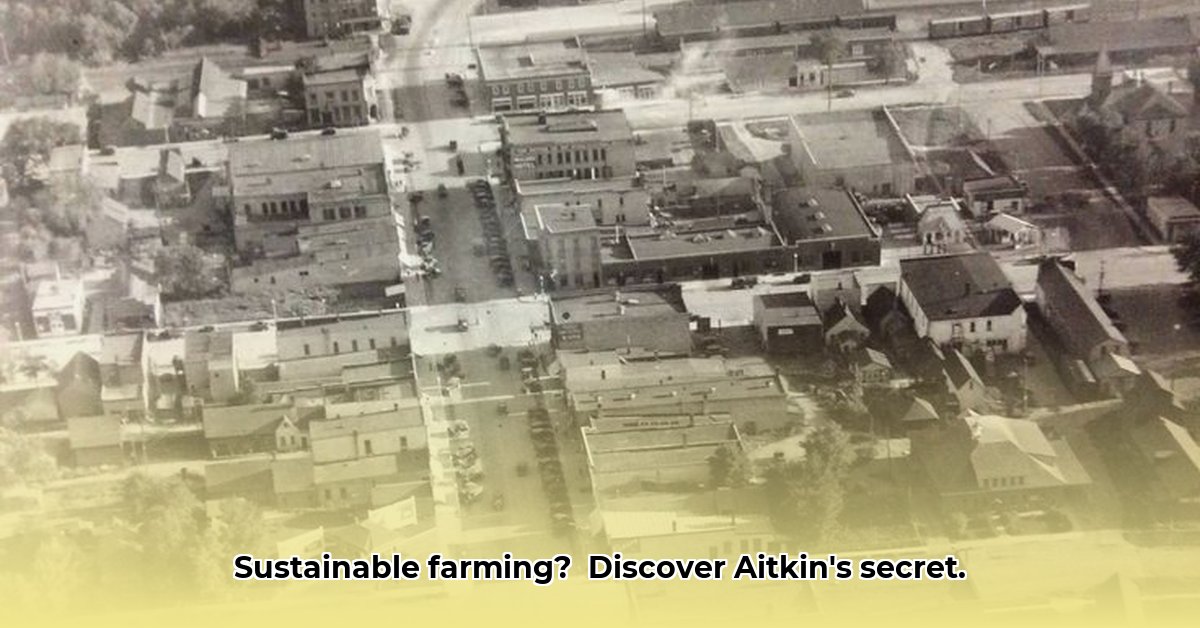
Tractor Supply Aitkin: A Vital Resource for Local Farmers
Aitkin, Minnesota, a region deeply rooted in agriculture, sees Tractor Supply (TSC) as more than just a retail store; it's a crucial resource for local farmers and gardeners. Imagine Bill Henderson, a farmer whose life revolves around the land. He relies on TSC for everything from seeds and fertilizer to tractor parts, highlighting the store's critical role in supporting local agricultural operations. But how effectively does TSC contribute to sustainable farming practices in this community? For similar stores in nearby areas, check out this nearby Tractor Supply.
The store's wide array of products—from animal feed to fencing to gardening tools—directly impacts the feasibility of sustainable agriculture. Access to quality seeds facilitates crop rotation, a key element of soil health. Reliable tools boost efficiency, making sustainable methods more achievable. However, TSC's role in sustainable farming is multifaceted and requires a nuanced examination.
The Sustainability Equation: Balancing Needs and Practices
While TSC supports local agriculture, its explicit commitment to sustainable practices requires further scrutiny. The company's overall supply chain transparency and the environmental impact of individual products remain largely undefined. This lack of readily available data presents a major challenge in assessing TSC's contribution to truly sustainable agriculture within the Aitkin community.
This isn't solely about TSC's choices. The broader agricultural landscape incorporates farmer education, government incentives, and community collaboration. TSC plays a vital role, but it's one piece of a larger, intricate puzzle. The need for a more thorough study of TSC’s overall environmental impact, particularly regarding ethical sourcing and waste minimization, is undeniable. A deeper understanding is vital to determining its actual contribution to sustainable farming.
Unanswered Questions and the Path Towards Collective Action
How can we accurately measure TSC's contribution to sustainable agriculture in Aitkin without comprehensive data on its environmental impact and supply chain? This critical question underscores the need for increased transparency and collaborative efforts. Tractor Supply, local farmers, environmental organizations, and government agencies must engage in open dialogue to develop practical solutions that address environmental concerns while supporting the local farming community.
Key Takeaways:
- TSC's vast product selection directly supports crucial aspects of sustainable farming in Aitkin, providing access to necessary tools and resources.
- A lack of readily available data on TSC's supply chain and environmental impact hinders a complete assessment of its contribution to sustainable agriculture.
- A collaborative effort involving TSC, farmers, environmental groups, and government is necessary to achieve a truly sustainable agricultural future in Aitkin.
Actionable Steps Towards a Sustainable Future
Addressing the challenges requires a multi-pronged approach. Here's a breakdown of actionable steps for key stakeholders:
Tractor Supply: Conduct a comprehensive environmental audit of its supply chain and publicly release annual sustainability reports detailing its environmental impact and sourcing strategies. This transparency is crucial for building trust and accountability.
Local Farmers/Gardeners: Actively seek and prioritize eco-friendly products. Participate in workshops and training programs to learn and implement sustainable farming practices. This proactive engagement improves individual farm sustainability.
Environmental NGOs: Pressure Tractor Supply for data transparency and sustainability improvements while conducting independent research to assess the environmental impact of specific products sold at TSC. This independent analysis provides essential oversight.
Government Agencies: Provide incentives and funding for sustainable farming practices and create regulations promoting environmentally friendly agricultural methods. Policy changes create crucial support for sustainable agriculture.
The future of sustainable agriculture in Aitkin requires shared responsibility and a collective commitment to environmental improvement. The health of the land and the livelihoods of its farmers depend on this collaborative approach.
Sourcing Sustainable Products at Tractor Supply: A Practical Guide
Finding sustainable farming options can be challenging, even in a region like Aitkin. However, Tractor Supply can play a crucial role. While TSC doesn't explicitly label all products as "sustainable," many of their offerings support sustainable practices. Finding them requires a proactive approach:
Research Sustainable Practices: Understand your farm's specific needs and research sustainable alternatives. This knowledge empowers informed decisions.
Engage with TSC Staff: Ask questions about product sourcing, environmental impact, and certifications. Proactive engagement fosters communication and accountability.
Consider Alternatives: If a sustainable option isn't readily available, explore environmentally friendly substitutes. This creative approach expands sustainable possibilities.
Support Sustainable Brands: Research and choose brands known for their sustainability commitments. Targeted purchasing increases demand for sustainable options.
Evaluate Product Lifecycle: Consider a product's entire life cycle, from production to disposal. Choose durable, long-lasting items to minimize waste.
The path to sustainable agriculture is ongoing, and TSC's commitment is a positive step. However, active participation from farmers, demanding transparency and informed decision-making, is equally vital. The future of farming in Aitkin hinges on this collaborative journey.